Himalayan Mountains, Nepal
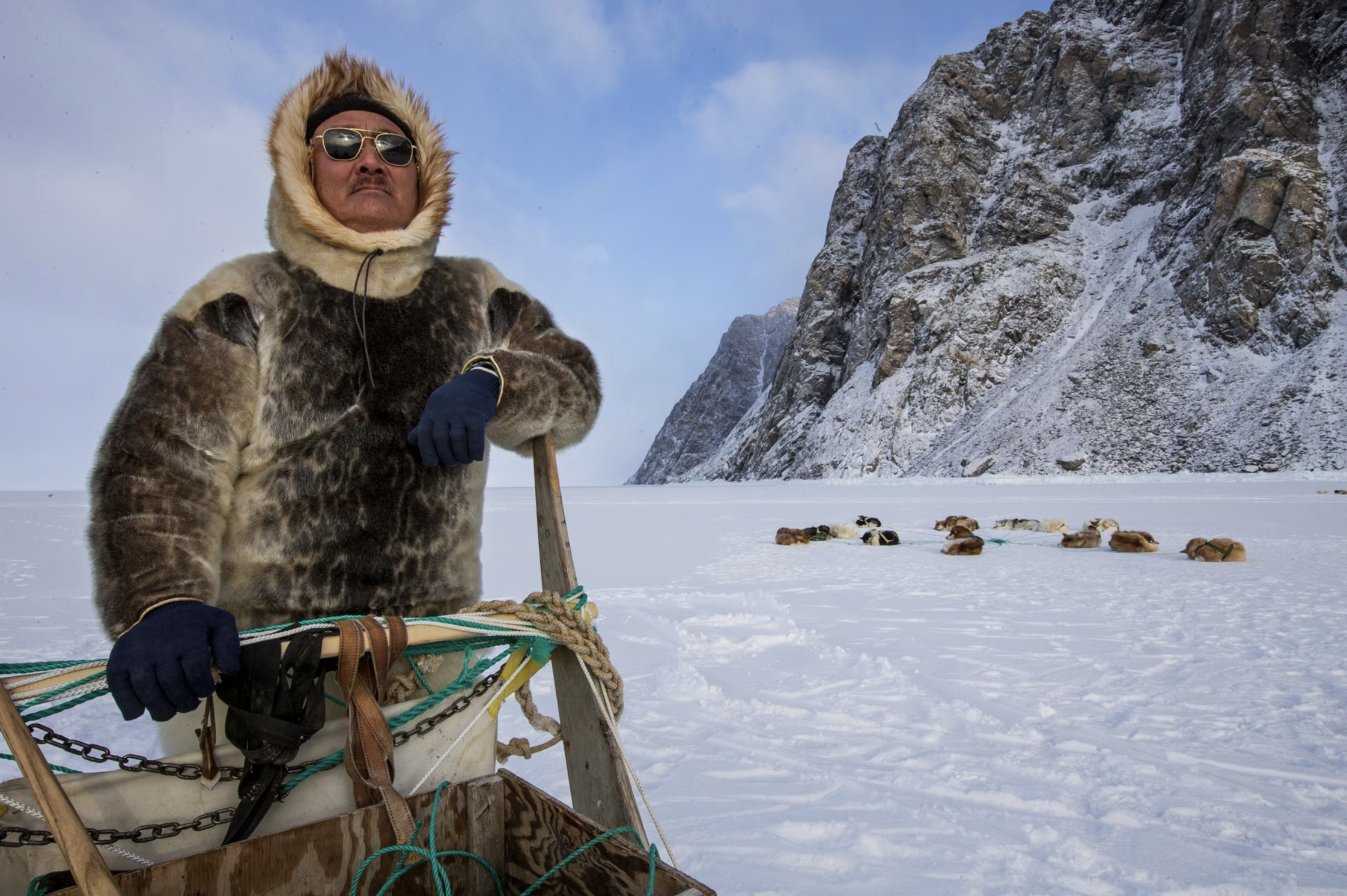
Inglefield Fjord, Greenland
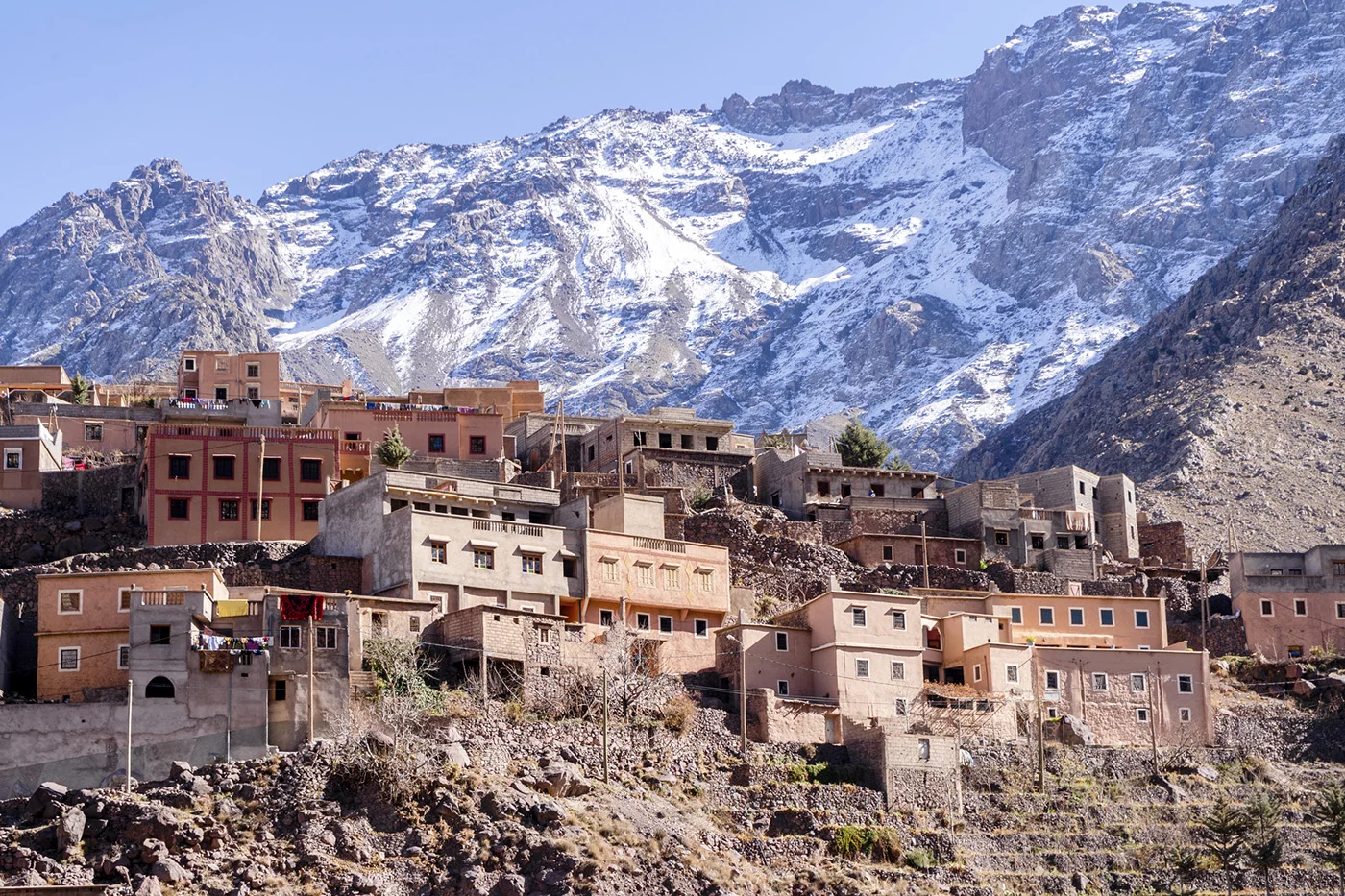
Atlas Mountains, Morocco
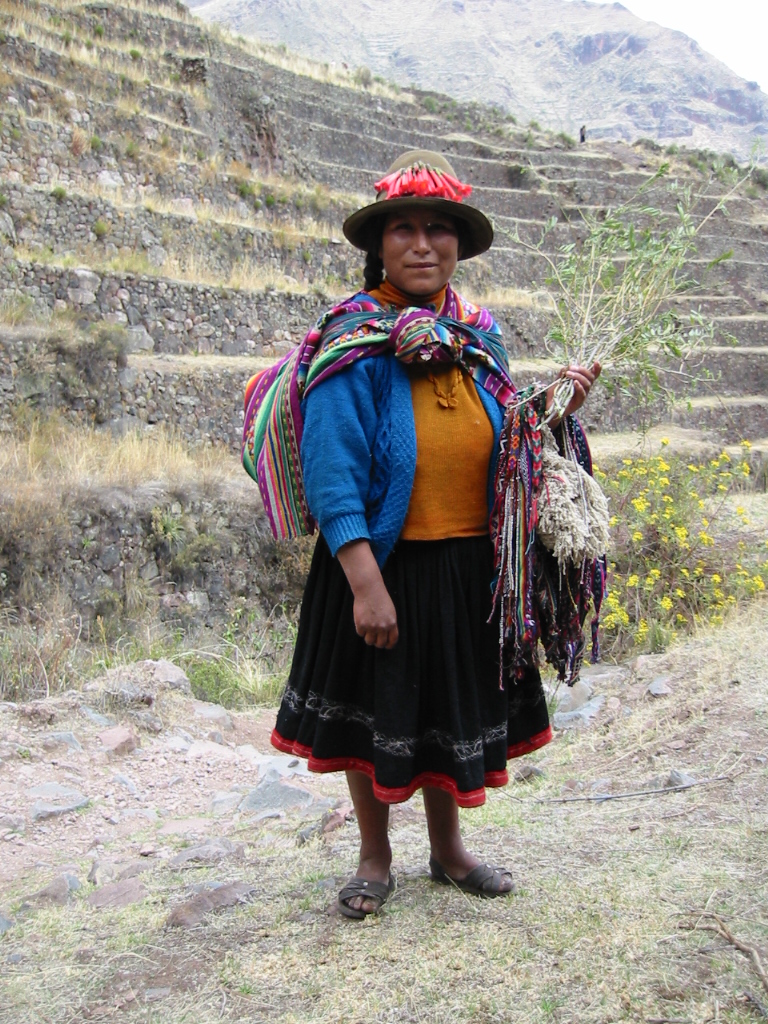
Quechua people of the Andes
For the Quechua people, the Andes Mountains are a living, sacred presence that shapes daily life, identity, and belief. Central to Quechua cosmology is the concept of Apus, mountain spirits believed to be powerful protectors and guardians of surrounding communities. These mountains are honored through rituals and offerings, often involving food, coca leaves, or chicha, to maintain balance between humans and the natural world. This worldview is deeply connected to Pachamama, or Mother Earth, emphasizing reciprocity rather than dominance over nature. Practically, the Quechua have developed agricultural techniques such as terraced farming and crop diversification at different elevations that mirror their spiritual respect for the mountains. The Andes thus function as both a sacred being and a life-support system, reinforcing a relationship rooted in care and adaptation across generations.
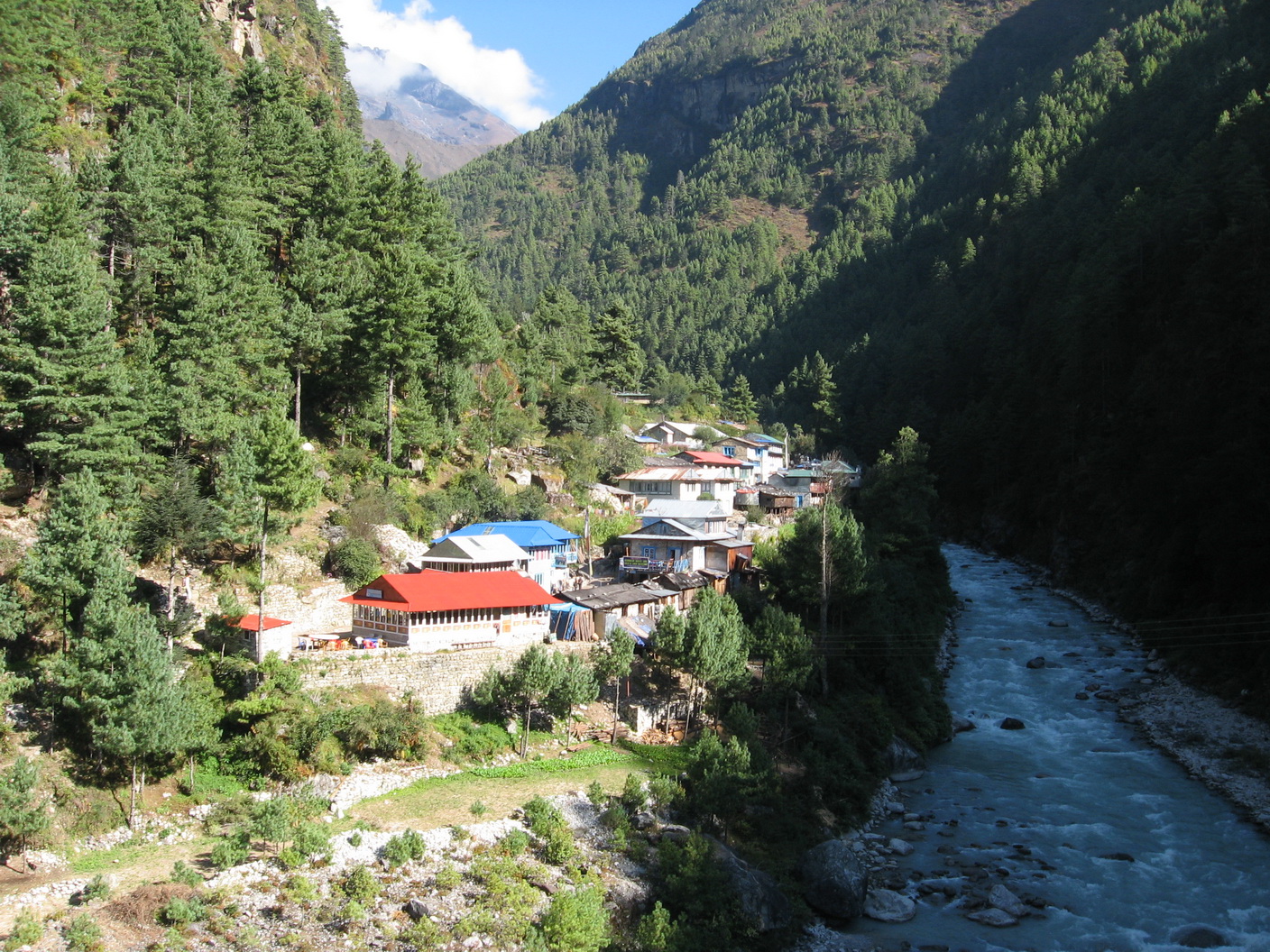
Sherpa people of the Himalayas
The Sherpa people of the Himalayas maintain a profound spiritual relationship with their mountainous environment, shaped largely by Tibetan Buddhism and animist traditions. Many Himalayan peaks are considered the abodes of deities, and climbing or disturbing these mountains without respect is believed to bring misfortune. For example, Mount Everest, known locally as Chomolungma, meaning "Goddess Mother of the World" is revered as a sacred being rather than a conquest to be claimed. Before mountaineering expeditions, Sherpa communities often perform puja ceremonies to ask permission and protection from the mountain spirits. Beyond spirituality, the Sherpa's intimate knowledge of high-altitude terrain, weather patterns, and seasonal rhythms reflects generations of co-existence with the Himalayas. Their relationship with the mountains is one of humility and reverence, where survival and spirituality are deeply intertwined.
Inughuit people of the Inglefield Fjord
The Inughuit people of northwest Greenland live in one of the most extreme mountain-fjord environments on Earth, where survival depends on deep environmental knowledge and respect for the land. The mountainous terrain surrounding Inglefield Fjord, combined with sea ice and Arctic conditions, shapes not only movement and subsistence practices but also belief systems rooted in animism. Traditionally, the Inughuit understand mountains, ice, animals, and weather as interconnected forces with agency and spirit. Hunting routes, seasonal camps, and storytelling are all influenced by the contours of the land, which serve as memory maps passed down through generations. The Inughuit relationship with their mountainous Arctic landscape emphasizes attentiveness, restraint, and adaptation; values that have allowed them to endure in a region where the margin between balance and danger is thin.
Berber people of the Atlas Mountains
For the Berber (Amazigh) peoples of the Atlas Mountains, the rugged landscape is both a physical home and a cultural anchor. Mountain isolation historically fostered strong communal bonds through oral traditions and localized spiritual practices tied to the land. Many Berber communities view the mountains as protective spaces, refuges that preserved language, customs, and autonomy through centuries of outside influence. Agricultural terraces, earthen architecture, and seasonal migration patterns reflect their deep understanding of mountain ecology and water systems. The landscape is often associated with ancestral presence, where certain peaks, springs, or groves hold symbolic meaning connected to protection and continuity. The Atlas Mountains are thus an active participant in Berber identity, shaping social organization and their long-standing relationship with place.